Mushroom Farming: Sustainable Practices for Local Communities

Mushroom farming is gaining traction as a sustainable agricultural practice that not only provides food but also supports local economies. With the increasing demand for organic produce and the need for environmentally friendly farming methods, mushrooms present a unique opportunity for communities to thrive. This blog post explores the sustainable practices in mushroom farming, the benefits for local communities, and practical steps to get started.
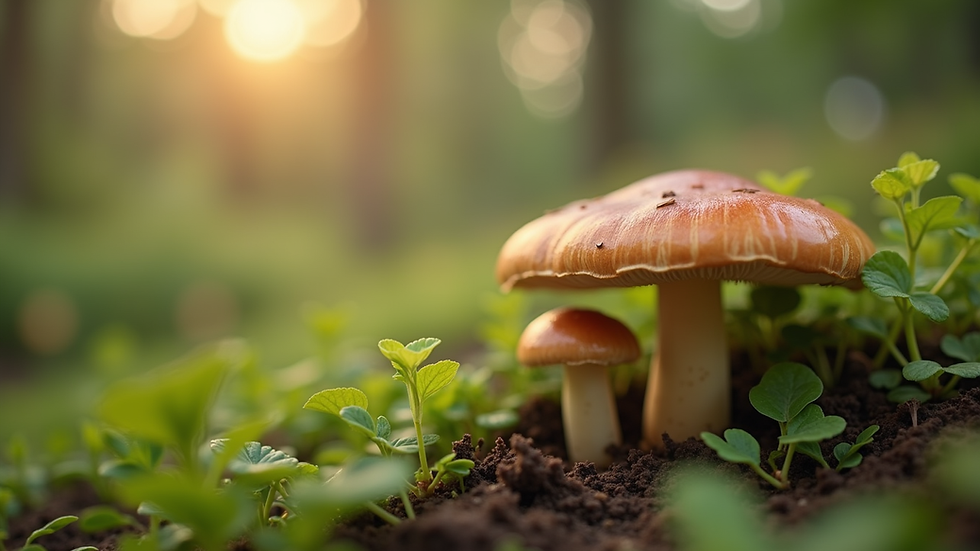
Understanding Mushroom Farming
Mushroom farming, or mycology, involves cultivating fungi in controlled environments. Unlike traditional crops, mushrooms require specific conditions such as humidity, temperature, and light. This makes them an ideal candidate for sustainable farming practices, as they can be grown indoors or in small spaces, reducing the need for large tracts of land.
Types of Mushrooms
There are several types of mushrooms that can be cultivated, each with its unique flavor, texture, and nutritional profile. Some popular varieties include:
Button Mushrooms: Commonly found in grocery stores, these are versatile and easy to grow.
Shiitake Mushrooms: Known for their rich flavor, they are often used in Asian cuisine.
Oyster Mushrooms: These have a delicate taste and can be grown on various substrates.
Lion's Mane Mushrooms: Recognized for their health benefits, they are gaining popularity in health food circles.
Sustainable Practices in Mushroom Farming
Sustainable mushroom farming practices focus on minimizing environmental impact while maximizing yield and quality. Here are some key practices:
1. Use of Organic Substrates
Mushrooms thrive on organic materials such as straw, sawdust, and coffee grounds. Utilizing waste products from other industries not only reduces waste but also provides a nutrient-rich substrate for mushroom growth. For instance, coffee shops can partner with local mushroom farms to supply used coffee grounds, creating a circular economy.
2. Water Conservation
Mushroom farming typically requires less water compared to traditional crops. By implementing drip irrigation systems and rainwater harvesting, farmers can further reduce water usage. This is particularly beneficial in areas facing water scarcity.
3. Integrated Pest Management
Instead of relying on chemical pesticides, sustainable mushroom farms employ integrated pest management (IPM) techniques. This includes using beneficial insects, natural repellents, and maintaining a clean growing environment to prevent infestations.
4. Energy Efficiency
Many mushroom farms are adopting energy-efficient practices, such as using LED lighting and optimizing climate control systems. This not only reduces operational costs but also minimizes the carbon footprint of the farming process.
5. Community Involvement
Engaging local communities in mushroom farming can enhance sustainability. Workshops and training programs can educate residents about mushroom cultivation, creating job opportunities and fostering a sense of ownership in the farming process.
Benefits for Local Communities
Mushroom farming offers numerous benefits for local communities, including:
Economic Opportunities
Mushroom farming can be a lucrative venture for small-scale farmers. With relatively low startup costs and quick returns on investment, it provides an accessible entry point for individuals looking to start their own business. Additionally, local markets often pay a premium for fresh, organic mushrooms.
Nutritional Benefits
Mushrooms are a rich source of vitamins, minerals, and antioxidants. By promoting mushroom consumption within the community, farmers can contribute to improved public health. For example, incorporating mushrooms into school lunch programs can enhance the nutritional quality of meals.
Environmental Impact
By adopting sustainable practices, mushroom farming can contribute to environmental conservation. Reduced land use, lower water consumption, and minimized chemical inputs help protect local ecosystems. Furthermore, mushrooms can play a role in soil health by breaking down organic matter and enhancing nutrient cycling.
Social Cohesion
Mushroom farming can foster community ties through shared initiatives. Community-supported agriculture (CSA) programs allow residents to invest in local farms, creating a direct connection between producers and consumers. This not only strengthens local economies but also builds a sense of community.
Getting Started with Mushroom Farming
If you're interested in starting your own mushroom farm, here are some practical steps to consider:
1. Research and Education
Before diving in, it's essential to educate yourself about mushroom cultivation. There are numerous online resources, books, and local workshops available. Understanding the specific requirements for different mushroom species will help you make informed decisions.
2. Choose Your Mushroom Variety
Select a mushroom variety that suits your market and growing conditions. For beginners, button mushrooms or oyster mushrooms are often recommended due to their ease of cultivation.
3. Set Up Your Growing Space
Mushrooms can be grown indoors or outdoors, depending on the climate and available space. Ensure your growing area has the right conditions for humidity, temperature, and ventilation. A small shed or basement can work well for indoor cultivation.
4. Source Your Substrate
Identify a suitable substrate for your chosen mushroom variety. Local agricultural suppliers may offer organic materials, or you can consider recycling waste products from nearby businesses.
5. Cultivation and Harvesting
Follow the specific cultivation guidelines for your chosen mushroom species. Monitor growth conditions closely and be prepared to harvest when mushrooms reach their peak size and quality.
6. Market Your Mushrooms
Once harvested, consider selling your mushrooms at local farmers' markets, grocery stores, or through a CSA program. Building relationships with local chefs can also provide a steady market for your produce.
Challenges in Mushroom Farming
While mushroom farming presents many opportunities, it also comes with challenges. Some common issues include:
1. Contamination
Mushrooms are susceptible to contamination from bacteria and mold. Maintaining a clean growing environment and following proper sterilization techniques can help mitigate this risk.
2. Market Competition
As mushroom farming becomes more popular, competition may increase. Differentiating your product through quality, organic certification, or unique varieties can help you stand out in the market.
3. Climate Sensitivity
Mushrooms require specific environmental conditions for optimal growth. Changes in climate or extreme weather events can impact production. Implementing climate control measures can help manage these risks.
Conclusion
Mushroom farming offers a sustainable solution for local communities looking to enhance their food systems and economies. By adopting environmentally friendly practices and engaging community members, mushroom farms can thrive while contributing to public health and environmental conservation. Whether you're a seasoned farmer or a newcomer, the world of mushroom cultivation holds exciting possibilities for sustainable agriculture.
As you consider venturing into mushroom farming, remember that every small step contributes to a larger impact. Start by educating yourself, connecting with local resources, and exploring the unique varieties that can flourish in your community. Together, we can cultivate a greener, more sustainable future through the power of mushrooms.


Comments